A small leak, a handful of missing shingles, a soft spot near the chimney flashing — roof problems rarely announce themselves loudly at first. But left unaddressed, even minor damage can lead to much bigger issues inside your home. Understanding what roof repair actually involves, and knowing when it’s the right call versus a full replacement, can save California homeowners significant time, money, and stress.
In this guide, Roof Shield CA walks through the most common causes of roof damage, how to recognize the warning signs, what a professional repair process looks like, and how to decide between repair and replacement.
Why Roof Repair Matters More Than It Seems
It’s easy to put off roof repair when the damage isn’t immediately visible from the ground. But a roof’s job is to be your home’s first line of defense against sun, wind, and rain, and even small breaches in that defense can lead to much larger problems. Water intrusion from a damaged roof doesn’t stay contained to the roofline — it can travel through attic spaces, damage insulation, stain ceilings, and eventually affect a home’s structural framing.
Addressing roof damage early, while it’s still a repair rather than a replacement, is one of the most cost-effective decisions a homeowner can make. Small issues caught early typically cost a fraction of what’s needed to address the water damage, mold, or structural repairs that follow months of neglect.
Common Causes of Roof Damage in California
California’s climate presents its own set of challenges for roofing systems, even in regions that don’t see heavy snow or ice:
- Intense sun and heat exposure, which causes asphalt shingles to lose the natural oils that keep them flexible over time
- Wind damage, which can lift or loosen shingles, especially around edges and ridgelines
- Age-related wear, as roofing materials naturally degrade over years of exposure
- Poor or aging flashing, particularly around chimneys, vents, and skylights, which are common points of leaks
- Debris accumulation, including leaves and branches that trap moisture against the roof surface
- Improper past repairs or installation, which can create weak points that fail sooner than expected
Understanding the root cause of damage is essential, since a repair that doesn’t address the underlying issue often leads to the same problem recurring.
Signs Your Roof Needs Repair
Many roof problems show early warning signs well before they become emergencies. Watch for:
- Missing, cracked, or curling shingles
- Granules collecting in gutters, a sign of shingle wear
- Water stains on ceilings or upper walls
- Visible sagging in the roofline
- Daylight visible through the attic roof boards
- Higher-than-usual energy bills, which can indicate compromised insulation or ventilation
- Moss or algae growth, which can trap moisture against roofing materials
If you notice any of these signs, scheduling a professional inspection sooner rather than later can help catch the issue before it spreads.
Roof Repair vs. Roof Replacement: How to Decide
One of the most common questions homeowners face is whether their roof needs repair or a full replacement. Several factors typically guide this decision:
Age of the Roof A roof nearing or past the end of its expected lifespan may be a better candidate for replacement, even if the current damage seems minor, since additional issues are likely to follow.
Extent of the Damage Isolated damage, such as a small leak or a handful of missing shingles, is usually a straightforward repair. Widespread wear, multiple leak points, or significant granule loss across the roof often points toward replacement.
Underlying Shingle Condition Even undamaged shingles can lose flexibility and waterproofing ability over time as their natural oils break down. In these cases, roof rejuvenation treatments can restore performance and extend the roof’s life without the cost of full replacement.
Frequency of Past Repairs A roof that has required multiple repairs in a short period may indicate that ongoing patchwork is no longer cost-effective compared to a full replacement.
An honest, thorough inspection is the best way to determine which path makes sense for your specific roof and budget, rather than assuming the worst — or ignoring a problem that’s more serious than it appears.
What to Expect During a Professional Roof Repair
Understanding the general process can help homeowners feel more prepared when scheduling service.
1. Initial Inspection A roofing professional evaluates the full roof, not just the reported problem area, to identify all damage and its underlying cause.
2. Assessment and Recommendation Based on the inspection, you’ll receive a clear explanation of what’s needed, whether that’s a targeted repair, a broader restoration treatment, or in some cases, a recommendation for replacement.
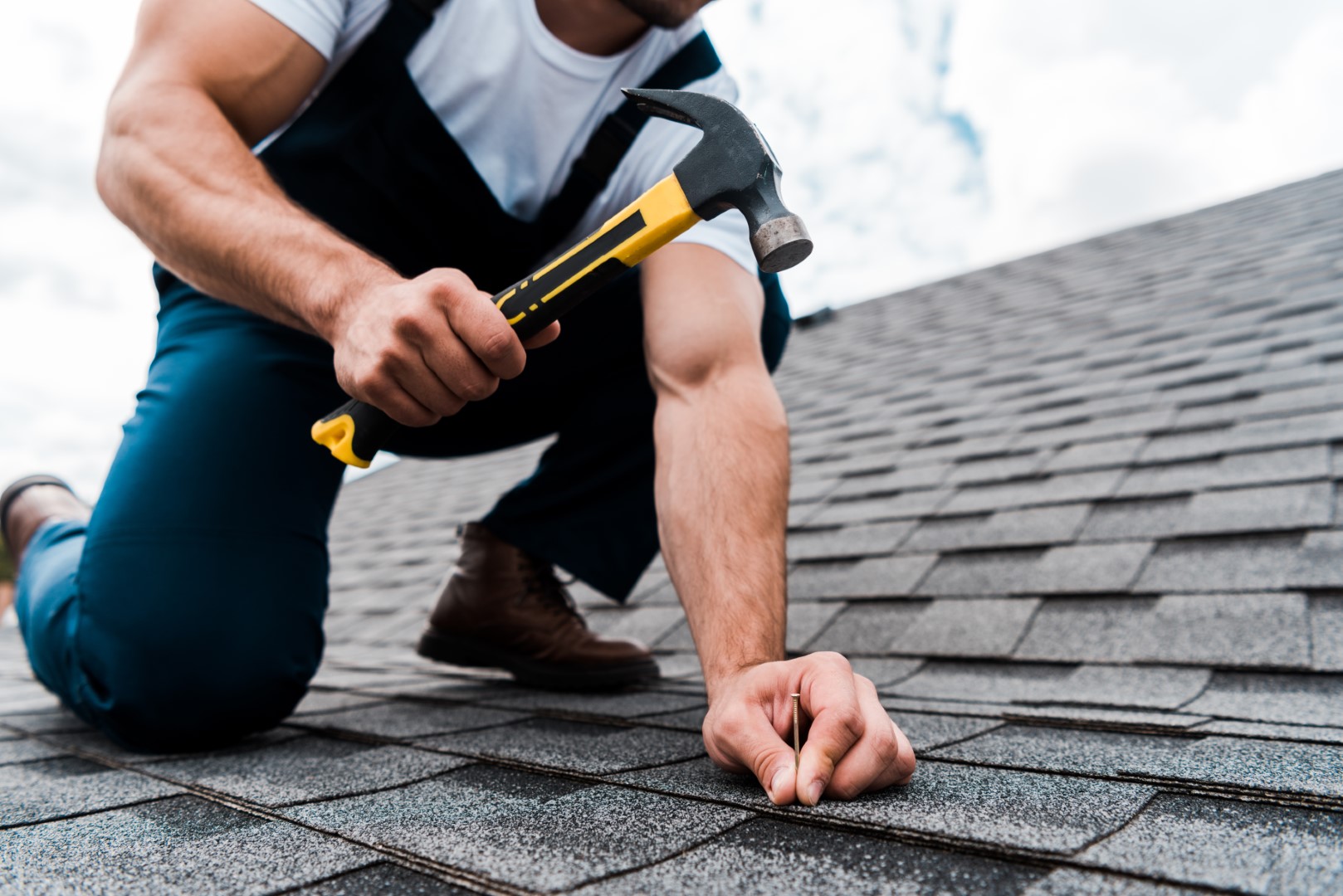
3. Repair Work Depending on the issue, this may include replacing damaged shingles, repairing flashing, sealing leaks, or addressing structural concerns discovered during inspection.
4. Quality Check A final walkthrough confirms the repair is complete, secure, and built to hold up against future weather exposure.
5. Maintenance Guidance Many roofing professionals also offer guidance on ongoing maintenance to help prevent similar issues from developing again.
The Value of Roof Rejuvenation as a Repair Alternative
For roofs that aren’t yet in need of full replacement but are showing signs of aging, roof rejuvenation offers a middle-ground solution worth understanding. This treatment restores the natural oils in asphalt shingles that keep them flexible and water-resistant, improving performance and extending the roof’s usable life. It’s a cost-effective, eco-friendly alternative to premature replacement, and it can be a smart option to discuss during a repair consultation if your roof’s overall condition is still solid but showing early signs of wear.
How to Choose the Right Roof Repair Company
Not every roofing company brings the same level of honesty or expertise to a repair job. When choosing who to trust with your roof, consider the following:
- Thorough, Honest Inspections — A trustworthy company assesses the entire roof, not just the reported issue, and recommends only what’s actually needed.
- Experience Across Roofing Types — Look for a company experienced with shingle, metal, tile, and flat roofing systems.
- Transparent Pricing — A clear, itemized estimate before work begins helps avoid surprises.
- Quality Materials — Durable, weather-appropriate materials matter as much as the quality of the labor.
- Local Climate Knowledge — A company familiar with California’s sun, heat, and wind patterns will recommend solutions built for those specific conditions.
Frequently Asked Questions
How much does roof repair typically cost? Cost depends on the extent and type of damage. A simple shingle repair costs significantly less than addressing widespread leaks or flashing issues. A professional inspection is the best way to get an accurate estimate.
How long does a typical roof repair take? Most straightforward repairs can be completed in a single day, while more extensive repairs involving multiple problem areas may take longer.
Can roof rejuvenation replace the need for repair? In some cases, yes. If shingles have lost flexibility due to sun exposure but aren’t significantly damaged, rejuvenation can restore performance. However, active leaks or damaged shingles still require targeted repair.
How do I know if a leak is coming from my roof or somewhere else? Water stains don’t always originate directly above where they appear, since water can travel along framing before showing up on a ceiling. A professional inspection can trace the source accurately.
Is it worth repairing an older roof, or should I just replace it? This depends on the roof’s overall condition and repair history. A single, isolated issue on an otherwise sound older roof is often still worth repairing, while a roof with multiple recurring problems may be more cost-effective to replace.
How often should I have my roof inspected? An annual inspection is generally recommended, with additional checks after major storms or wind events to catch any new damage early.
Final Thoughts
Roof repair is one of the most important maintenance investments a homeowner can make, protecting not just the roof itself but everything underneath it. Roof Shield CA understand the warning signs of damage, knowing when repair makes more sense than replacement, and working with a company that provides honest, thorough assessments all play a role in making the right decision for your home.
Whether you’re dealing with a specific leak, noticing early signs of wear, or simply want peace of mind with a professional inspection, addressing roof issues promptly helps protect your home and your investment for years to come.