A roof can look tired long before it is truly finished. Fading color, dry-looking shingles, granules in the gutters, and a rough appearance can make a homeowner fear a $18,000 to $35,000 replacement bill. This shingle treatment comparison helps separate cosmetic wear from serious roof failure, so you can make a practical decision instead of replacing a roof before its time.
For many Central Valley homes, the right answer is not simply “do nothing” or “tear it all off.” An aging asphalt shingle roof may still have a sound structure and years of useful service left. In that situation, a professional rejuvenation treatment can be a lower-cost way to improve flexibility, water resistance, appearance, and protection.
What Are You Actually Trying to Fix?
Before comparing treatments, identify the problem. A roof that is dirty or faded needs a different solution than one with active leaks, exposed decking, widespread missing shingles, or storm damage. Surface wear can be frustrating, but it does not automatically mean the roof has failed.
Asphalt shingles rely on oils and protective granules to handle sun, heat, wind, and rain. Over time, Fresno-area heat can dry the shingle surface and make it less flexible. That can leave a roof looking older, feeling brittle, and more vulnerable to future wear.
A good roof assessment should look beyond curb appeal. It should consider the roof’s age, shingle condition, granule loss, flashing, soft spots, signs of leaking, and whether the roof structure remains sound. Treatment is designed for a roof that is worn but recoverable, not one with major structural or water-intrusion problems.
Shingle Treatment Comparison: Your Main Options
Homeowners often hear several possible fixes offered as if they do the same job. They do not. The best choice depends on what condition your roof is actually in and what outcome you need.
Roof cleaning
Cleaning removes visible dirt, algae, debris, and staining. It can make a roof look better quickly, which is useful when curb appeal is the main concern. But cleaning does not restore dried-out shingles or replace protective qualities lost through years of sun exposure.
Cleaning can be part of a maintenance plan, but it is not a complete answer for shingles that have become brittle or weathered. Aggressive cleaning methods can also create problems if performed incorrectly, especially on older roofs. Appearance matters, but appearance alone is not roof restoration.
Spot repairs
Replacing a few damaged shingles or correcting a flashing issue is the right move when the rest of the roof is in good condition. Targeted repairs address isolated damage without paying for a full replacement.
The limitation is that repairs do not renew an entire aging roof. If shingles across multiple slopes are dry, worn, and losing flexibility, patching one area at a time can become a cycle of small expenses without addressing the broader condition of the roof.
Coatings and sealers
Some products are marketed as a way to seal or coat a roof surface. A coating may be appropriate for certain roofing materials and applications, but asphalt shingles are not a one-size-fits-all surface. A product that sits on top of shingles can change their appearance and may not address the underlying loss of flexibility that comes with aging.
Homeowners should be cautious about any solution that promises a miracle without an inspection. Ask what the product is designed to do, how it interacts with asphalt shingles, and whether it is intended for your roof’s current condition. A cheap treatment is not a bargain if it creates a new problem or only masks an old one.
Professional roof rejuvenation
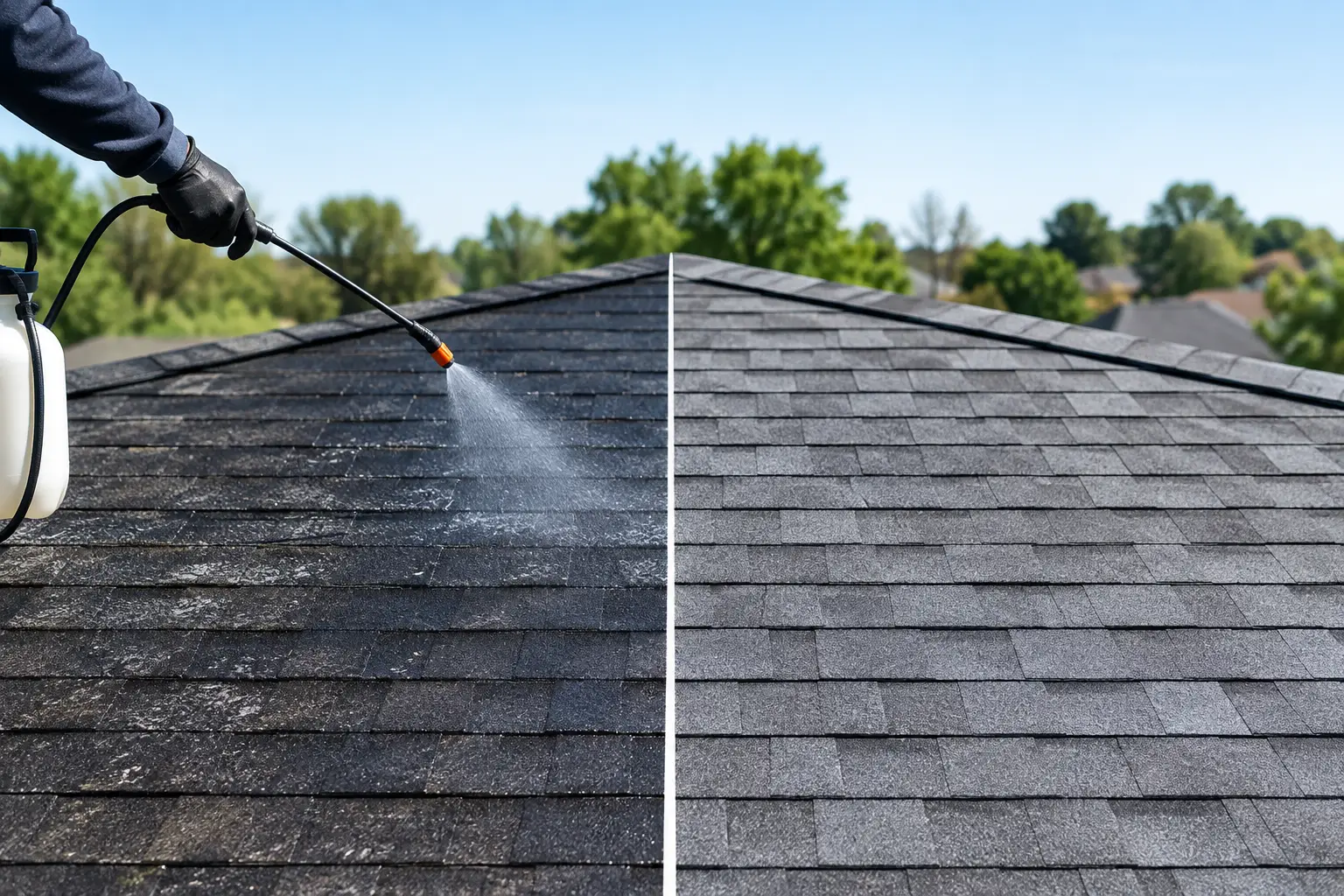
Roof rejuvenation is intended to restore aging asphalt shingles that still have recoverable life. Rather than simply washing the roof or covering it with a surface layer, the treatment is applied to help replenish the shingle’s flexibility and protective performance.
For the right roof, this approach can improve the look of weathered shingles while supporting better water resistance and helping delay replacement. It is also far less disruptive than a reroofing project. There is no large tear-off, no pile of old roofing materials around the property, and no need to commit to replacement before it is truly necessary.
That does not mean rejuvenation is right for every home. If shingles are severely deteriorated, the roof is leaking because of widespread failure, or the decking and structure have been compromised, replacement may still be the responsible option.
Full roof replacement
Replacement provides a completely new roofing system. It is the right choice when a roof has reached the end of its serviceable life or has damage that treatment cannot solve. Severe curling, extensive missing shingles, repeated leaks, major storm damage, sagging, and compromised decking are all reasons to discuss replacement with a qualified roofing professional.
The trade-off is cost and disruption. A replacement is a major home project, and homeowners should not rush into it solely because the roof looks old from the street. If the roof remains structurally sound, preserving it may offer much better value.
When Treatment Makes the Most Financial Sense
A rejuvenation treatment tends to make sense when the roof is showing its age but has not crossed into failure. Think of a roof with fading, dryness, minor granule loss, and a weathered appearance, but without serious leaks or structural concerns.
This is where the savings can be meaningful. Roof Shield helps homeowners explore an alternative that can cost 70-80% less than a full reroofing project when the roof qualifies. That difference can free up thousands of dollars for other priorities while helping protect the home now.
It can also be a smart choice for homeowners who plan to stay in the home and want to extend the roof’s usable life. If you are preparing to sell, a refreshed roof appearance may help support stronger curb appeal without taking on the cost and timeline of a full replacement. The key is being honest about condition. A treatment should be a practical investment, not a temporary cover-up for a roof that clearly needs replacement.
Warning Signs That Point Toward Replacement
Some roof problems are beyond treatment, and recognizing them early protects your home. A professional should evaluate the roof promptly if you notice water stains on ceilings, active leaks, sagging rooflines, soft decking, widespread shingle loss, or substantial storm damage.
Age alone does not decide the issue, because roof life varies based on ventilation, installation quality, sun exposure, maintenance, and local weather. Still, an older roof with multiple major symptoms deserves a careful inspection. A trustworthy recommendation should explain why a roof can be treated, repaired, or replaced – not push the same answer for every homeowner.
Insurance concerns are another reason not to wait. If a roof has visible damage or recurring leaks, delaying action can allow a manageable issue to grow into interior repairs, mold concerns, or more complicated claims. Getting clarity is usually the first relief.
Questions to Ask Before Choosing a Service
A clear estimate should tell you what is being inspected, what condition the shingles are in, and what the recommended service can realistically accomplish. Ask whether the roof has any active leaks, whether there are structural concerns, and whether repairs are needed before treatment.
You should also ask about the expected condition after service, not just the immediate visual change. The goal is to protect your investment, not to buy a photo-ready result that disappears after the first season. Look for a company that explains the limits of treatment as clearly as the benefits.
For homeowners in Fresno, Clovis, and surrounding Central Valley communities, a no-pressure roof assessment can replace guesswork with a plan. If your roof is aging but you are not ready to accept a replacement-sized bill, have it evaluated while it may still qualify for a restorative option.
Your roof does not have to look perfect to be worth saving. The best next step is a straightforward inspection that tells you whether a treatment can protect the roof you have – or whether replacement is genuinely the safer path.