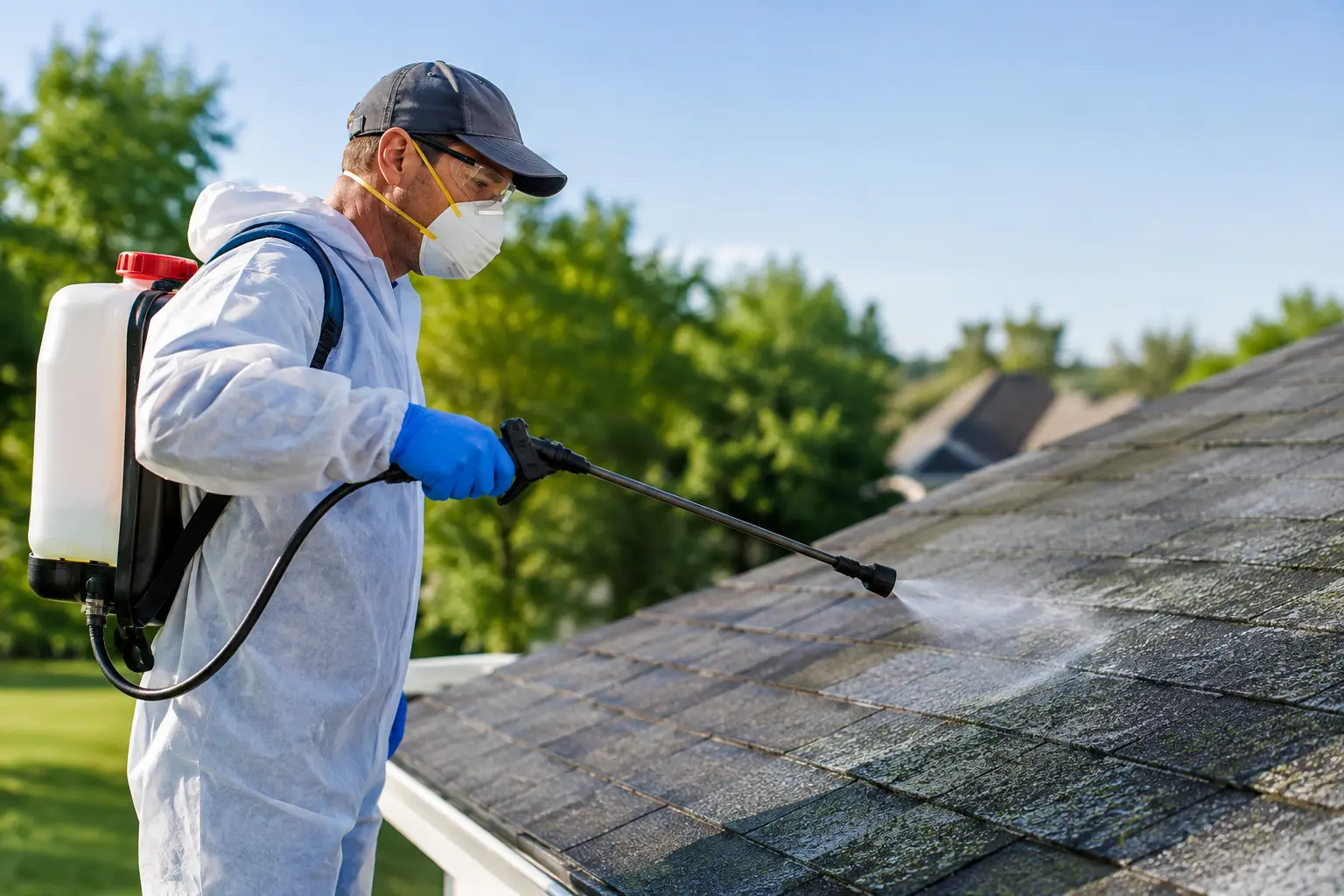
A roof that looks dry, faded, or worn can make a replacement quote feel inevitable. Before approving any treatment, though, homeowners often ask a fair question: are roof treatments toxic? The honest answer is that it depends on the product, how it is applied, and how well the crew manages the job site. A reputable roof treatment should be selected and applied with your household, landscaping, pets, and property in mind.
For many aging asphalt shingle roofs, rejuvenation can be a practical alternative to premature replacement. But affordability should never mean guessing about safety. Here is what to look for before treatment begins.
Are Roof Treatments Toxic to People or Pets?
“Roof treatment” is a broad label. It may refer to a shingle-restoring treatment, a protective coating, a cleaner, an algae-control product, or a sealant. These products do not all have the same ingredients or the same safety profile.
Some treatments may contain solvents, oils, surfactants, preservatives, or other active ingredients that can irritate skin, eyes, or airways during application. A product can be low-odor or marketed as environmentally conscious and still require careful handling. That does not automatically make it dangerous when used correctly, but it does mean the application instructions matter.
Exposure is usually highest while a product is being sprayed, brushed, or rinsed from the roof. Once an appropriate treatment has been applied as directed and allowed to dry or cure, the concern for people inside the home is generally much lower. Your roof is outdoors, and the product is intended to remain on the shingles rather than enter your living space.
Pets and children should be kept away from the work area during the service. This is a sensible precaution for any exterior home project, including painting, pressure washing, pest control, or roof maintenance. A professional crew should let you know when it is safe to use the yard normally again.
The Real Safety Question: Product Plus Process
The safety of a roof treatment is not determined by the bottle alone. Application practices can make a major difference. A quality contractor does more than arrive, spray, and leave. They inspect the roof, use the product only where appropriate, protect surrounding areas, and follow manufacturer directions for weather conditions and dry time.
Ask whether the company can explain what the treatment is designed to do. For aging asphalt shingles, a rejuvenation treatment may be intended to restore flexibility and help improve water resistance in shingles that are weathered but still structurally recoverable. It should not be presented as a cure for missing shingles, active leaks, widespread granule loss, rotted decking, or a roof that has reached the end of its useful life.
That distinction matters for safety and value. Applying any product to a roof that needs replacement can delay the repair you actually need. A straightforward inspection should come before a recommendation.
Questions worth asking before treatment
You do not need to become a roofing chemist. You do deserve clear answers. Before hiring a contractor, ask what product will be used, whether a Safety Data Sheet is available, and what precautions are recommended for people, pets, plants, and outdoor belongings.
Also ask how the crew handles overspray and runoff. Your contractor should have a plan for protecting landscaping, covering or moving sensitive outdoor items when needed, and avoiding unnecessary application near open windows, air intakes, ponds, or other water features. If someone brushes off these questions or cannot tell you what they are applying, consider that a warning sign.
What About Your Garden, Pool, and Landscaping?
Homeowners in the Fresno area have good reason to care about this. Mature landscaping, fruit trees, vegetable gardens, swimming pools, and outdoor living spaces are investments worth protecting.
The biggest risk to plants is often direct contact with a concentrated product or cleaner, especially if overspray is not controlled. Proper prep can include wetting or covering nearby vegetation when appropriate, moving patio furniture and children’s toys, closing windows, and keeping gates secured so pets do not enter the work zone. The right steps depend on the product and the layout of your property.
Runoff deserves attention too. Roof work should be planned with gutters, downspouts, slope, and drainage paths in mind. A responsible contractor should not treat the yard below as an afterthought. If cleaning is part of the service, ask whether the cleaning method is compatible with your roof type and how wastewater will be managed.
A treatment that protects a recoverable roof while respecting the landscape is the goal. You should not have to choose between extending roof life and protecting the outdoor space you enjoy.
Low Toxicity Does Not Mean No Precautions
Marketing terms such as “eco-friendly,” “green,” or “non-toxic” can be helpful, but they are not substitutes for details. Products may be designed to reduce environmental impact or avoid certain harsh chemicals while still requiring proper storage, application, and cleanup.
A trustworthy company will be comfortable discussing precautions without using scare tactics. For example, it may recommend that you keep pets indoors during service, avoid walking beneath active work areas, and wait until treated surfaces are dry before allowing children to play nearby. Those are normal, practical measures.
You should also be cautious about do-it-yourself roof treatments. Beyond chemical exposure, climbing onto a sloped roof creates a serious fall risk. An incorrect product or overly aggressive cleaning method can strip granules, damage shingles, stain exterior surfaces, or create drainage problems. Saving money on a DIY attempt can quickly become expensive if the roof is harmed.
How to Choose a Safer Roof Treatment Service
Start with a roof assessment, not a sales pitch. The contractor should look for signs that your shingles are still candidates for rejuvenation, such as dryness and fading without major structural failure. They should also identify conditions that call for repair or replacement instead.
Next, look for a company that is transparent about its process. You should know what happens before, during, and after the application. Clear expectations lower stress: how long the work may take, whether you need to move vehicles or patio items, where pets should stay, and whether there are any temporary restrictions after the service.
Testing and product documentation can add confidence as well. When a company refers to independent testing, ask what was tested and what the results mean for real-world roof performance. Good information should be easy to understand, not hidden behind vague claims.
At Roof Shield, the focus is on helping homeowners evaluate whether an aging asphalt shingle roof can be restored before they commit to the disruption and cost of a full reroof. For the right roof, rejuvenation can improve appearance and help preserve performance at a fraction of replacement cost. But the right roof is the key phrase. An honest recommendation protects your home and your budget.
When a Roof Treatment May Not Be the Right Choice
A treatment is not the answer to every roofing problem. If your roof has ongoing leaks, curled or missing shingles, soft areas in the roof deck, storm damage, or widespread deterioration, a treatment alone may not address the underlying issue. In those cases, repair or replacement may be the safer long-term decision.
Insurance requirements can also affect the conversation. If an insurer has identified a specific defect or requires replacement based on roof condition, ask for clarity before investing in any maintenance service. A roof treatment may support a roof that still has useful life, but it should not be used to hide a problem from an insurer, buyer, or future home inspector.
The best outcome is not simply avoiding replacement. It is making the right decision for the roof you have.
A Simple Plan for Peace of Mind
Before scheduling service, walk around your property and note anything that needs protection: pet areas, potted plants, garden beds, pool equipment, openable windows, and vehicles. Share those details with the contractor before work begins. Then ask for product information, application precautions, and guidance on when the area can be used normally.
A well-maintained roof should bring relief, not uncertainty. When the product is appropriate, the roof is a good candidate, and the crew follows disciplined application practices, roof rejuvenation can be a sensible way to protect your home without jumping straight to an expensive replacement. Start with a clear inspection and a conversation that gives you answers you can feel comfortable acting on.