A roof can look tired long before it is truly finished. In the Fresno area, years of sun, dry heat, and seasonal weather can leave asphalt shingles faded, brittle, and less water-resistant. That is where an example of savings from roof treatment becomes useful: it shows why an aging roof that still has sound underlying structure may not need an immediate, costly replacement.
For many homeowners, the first roofing quote creates instant pressure. A full reroof can cost $18,000 to $35,000 or more, depending on the home, roof size, materials, access, and repairs found underneath the shingles. Roof treatment offers a practical alternative for qualifying roofs by restoring flexibility and protective performance at a fraction of that expense.
A Realistic Example of Savings From Roof Treatment
Consider a single-family home with an aging asphalt shingle roof. The shingles are faded and dry, with visible granule loss in places, but there are no major active leaks, no widespread missing shingles, and no evidence that the roof deck has failed. The homeowner is concerned about appearance and wants to avoid waiting until a small issue turns into interior water damage.
A replacement contractor estimates the reroof at $24,000. That figure may include tear-off, disposal, new underlayment, new shingles, labor, and related flashing work. It is a valid option if the roof has reached the end of its serviceable life, but it is a substantial unplanned expense.
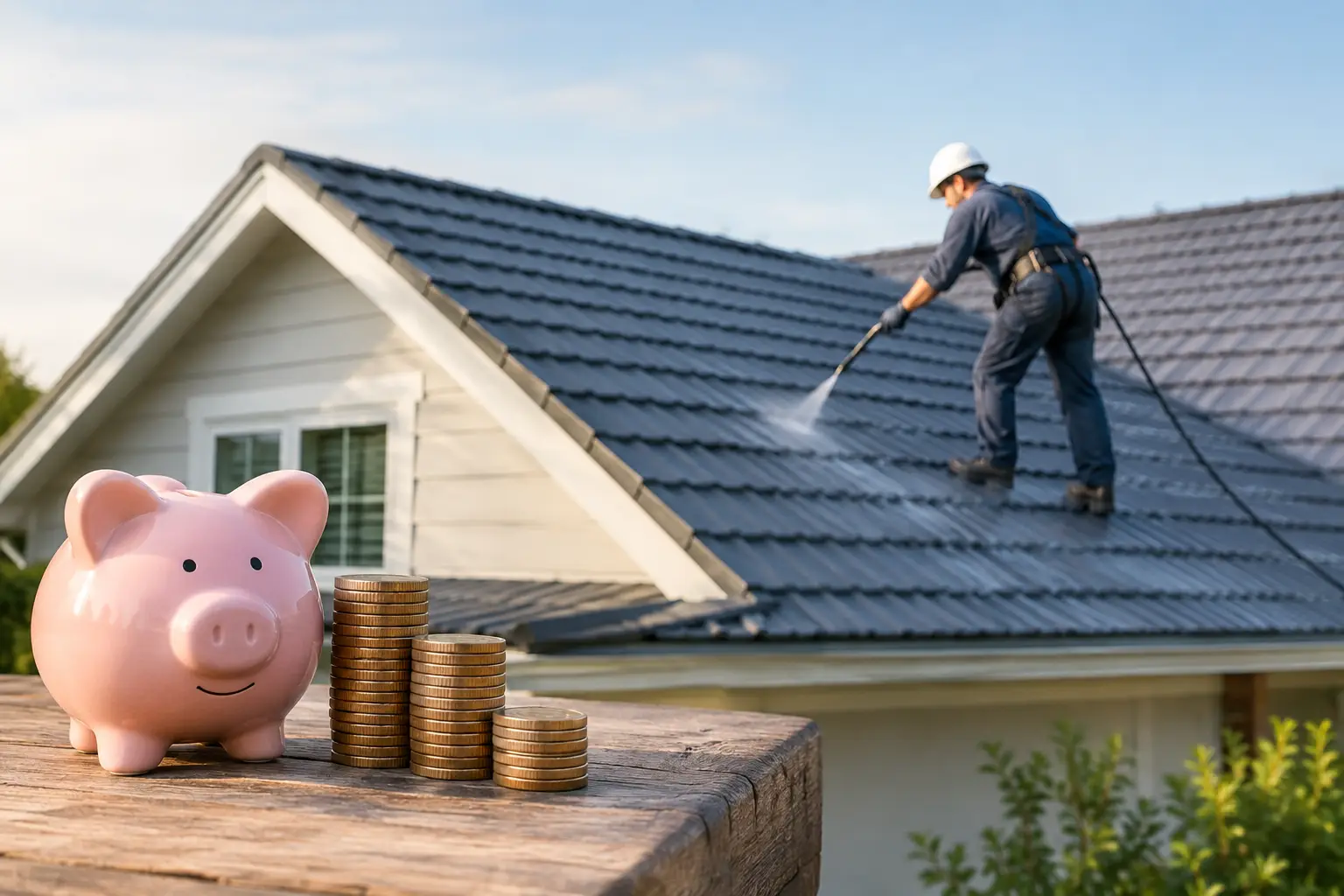
After an inspection, the roof is found to be a candidate for rejuvenation treatment. Instead of replacing the entire roofing system, the homeowner chooses cleaning and treatment to restore the shingles’ flexibility, water resistance, and appearance. If the treatment costs $5,500, the immediate difference is $18,500.
That is roughly a 77% savings compared with replacement:
$24,000 replacement cost – $5,500 treatment cost = $18,500 in immediate savings.
This does not mean every roof can be treated or that every home will receive the same price. A larger, steeper, heavily worn, or more complex roof will affect the quote. Still, the example shows why homeowners often request a roof assessment before committing to a full reroof. When a roof is still recoverable, spending thousands instead of tens of thousands can change the entire maintenance decision.
What Those Savings Can Mean for Your Home Budget
The value of treatment is not limited to a lower invoice. Keeping $18,500 available can give a homeowner room to handle other high-priority needs, such as exterior paint, HVAC repairs, insulation, window upgrades, drainage work, or an emergency fund. For families balancing a mortgage, insurance premiums, and rising home maintenance costs, that flexibility matters.
Treatment can also reduce disruption. A full reroof is a major construction project involving material delivery, tear-off, debris, noise, and crews working around the home. A roof treatment is generally a far less disruptive service. For homeowners who work from home, have young children, care for family members, or simply want to avoid a construction zone, that difference has real value.
There is also the curb appeal factor. Dry, weathered shingles can make an otherwise well-kept home look neglected. Rejuvenation can improve the roof’s appearance while helping protect its performance. If you are considering selling in the next several years, a better-looking roof may help present the property more confidently without forcing you into a full replacement before it is necessary.
Why Roof Treatment Costs Less Than Replacement
A reroof replaces major parts of the roofing system. That means old shingles must be removed, hauled away, and replaced with new materials. Labor, disposal, underlayment, flashing details, permits when required, and repairs uncovered during tear-off can all add to the final bill.
Roof treatment takes a different approach. It is designed for asphalt shingle roofs that have aged but still have recoverable structural value. The process focuses on cleaning the roof and applying a specialized treatment that helps restore oils and flexibility to dry shingles, improving water resistance and helping slow further deterioration.
The trade-off is straightforward: treatment is not a shortcut for a roof with serious damage. It is a preventative, life-extending service for a roof that is still a good candidate. The savings come from preserving what is working rather than removing and rebuilding the entire roof system.
When Treatment Is a Smart Financial Choice
The best candidate is usually a roof with visible aging but no major structural failure. Shingles may be faded, dry, or beginning to lose flexibility. The roof may have minor wear that concerns the homeowner, yet still be performing its essential job.
A professional inspection is the deciding step. Treatment may be a strong fit when the roof deck is sound, leaks are not widespread, shingles are mostly intact, and the roof does not show severe storm damage or extensive deterioration. In those circumstances, acting early can be more cost-effective than waiting for damage to accelerate.
Timing matters in Central Valley communities. Intense summer sun can speed up the drying and aging process of asphalt shingles. A homeowner who addresses wear while the roof remains treatable may avoid being pushed into replacement sooner than expected.
When Replacement Is the Better Investment
Honest roof care means recognizing when treatment is not the answer. If there are major leaks, widespread missing or broken shingles, soft decking, significant sagging, extensive storm damage, or serious installation problems, replacement or repairs may be the safer recommendation.
It also depends on your goals. If you are planning a major remodel, changing roofing materials, or need a roof that meets a specific insurance or lender requirement, a replacement may make more sense. A quality assessment should explain the condition of your roof clearly, not pressure you toward a service that does not fit.
That is why the lowest price should never be the only factor. The right question is whether your current roof has enough remaining value to protect. If it does, treatment can be a sensible way to extend service life and delay a much larger expense. If it does not, knowing that early helps you plan for replacement with fewer surprises.
How to Compare Your Own Roof Costs
Start by asking for a clear assessment of your roof’s condition. Find out whether there are active leaks, damaged decking, missing shingles, flashing concerns, or signs that the roof has become too brittle to restore. Then compare the scope and cost of treatment against the scope and cost of replacement.
When you review the numbers, look beyond the first-year price. Ask how treatment may help preserve the roof, improve its appearance, and postpone replacement. Also ask what maintenance or follow-up is recommended. A treatment quote should be easy to understand, with no confusion about what the service includes.
Roof Shield helps homeowners in Fresno, Clovis, and nearby Central Valley communities evaluate aging asphalt shingle roofs without assuming replacement is the only path. The goal is simple: give your roof an honest look and recommend the most cost-conscious option that still protects your home.
A Lower-Cost Option Is Worth Checking First
The difference between a $5,500 treatment and a $24,000 replacement is not just a number on paper. It can mean more breathing room, less disruption, and a better way to care for a roof that still has useful life left.
If your shingles look worn but your roof has not suffered major failure, a free inspection can give you clarity before you make a replacement-sized decision. A timely assessment may be the step that helps you protect your home and keep more of your budget where it belongs.