Roofing is one of the most important investments for any property owner. A well-built roof protects your home from harsh weather, improves energy efficiency, and increases property value. Whether you’re planning a new roof installation, scheduling an inspection, or repairing storm damage, understanding the roofing process helps you make informed decisions.
This roofing guide explains the fundamentals of roofing while focusing on professional roofing services, roof installation, roof inspection, and roof repair. You’ll learn how each service works, when it’s needed, and how proper maintenance extends the life of your roofing system.
What Is Roofing?
Roofing refers to the materials, structure, and installation methods used to protect a building from weather, moisture, and environmental damage. It serves as the first line of defense against rain, snow, wind, sunlight, and temperature changes.
A complete roofing system includes several components working together:
- Roof decking
- Underlayment
- Flashing
- Ventilation
- Roofing material
- Gutters and drainage
- Fasteners
- Ridge caps
Each component contributes to the roof’s durability and overall performance.
Understanding these parts makes it easier to recognize why professional roofing services are essential.
Roofing Services: What Do Professionals Provide?
Professional roofing services cover every stage of a roof’s lifecycle, from installation to maintenance and repairs.
The most common services include:
- Roof installation
- Roof inspection
- Roof repair
- Leak detection
- Storm damage assessment
- Flashing repair
- Ventilation improvements
- Preventive maintenance
Each service focuses on protecting the home’s structure while reducing long-term repair costs.
Hiring experienced professionals ensures roofing materials are installed according to manufacturer specifications and local building codes.
The next section explains why investing in quality roofing pays off over time.
Why Is Roofing Important?
A properly maintained roof protects much more than the attic.
Quality roofing helps:
- Prevent water intrusion
- Reduce energy loss
- Improve indoor comfort
- Increase home value
- Protect insulation
- Prevent mold growth
- Improve curb appeal
- Extend building lifespan
Ignoring roofing problems often results in costly structural repairs.
Routine maintenance protects your investment and minimizes unexpected expenses.
Understanding roofing materials helps homeowners choose the right solution.
What Roofing Materials Are Commonly Used?
Different roofing materials perform differently depending on climate, budget, and architectural style.
| Material | Average Lifespan | Benefits | Considerations |
| Asphalt Shingles | 20–30 Years | Affordable and versatile | Moderate lifespan |
| Metal Roofing | 40–70 Years | Durable and energy efficient | Higher installation cost |
| Clay Tile | 50–100 Years | Excellent durability | Heavy weight |
| Concrete Tile | 40–60 Years | Weather resistant | Requires strong framing |
| Slate | 75–100+ Years | Exceptional longevity | Premium investment |
Selecting the right material depends on your property’s needs and environmental conditions.
Proper installation remains equally important regardless of material.
How Long Does Roof Installation Take?
Installation time depends on several factors.
These include:
- Roof size
- Roof complexity
- Material type
- Weather conditions
- Crew size
- Structural repairs
Small residential roofs may be completed within a few days, while larger or more complex projects require additional time.
Unexpected structural damage can also extend the schedule.
After installation, regular inspections help maintain performance.
Roof Inspection: Why Is It Important?
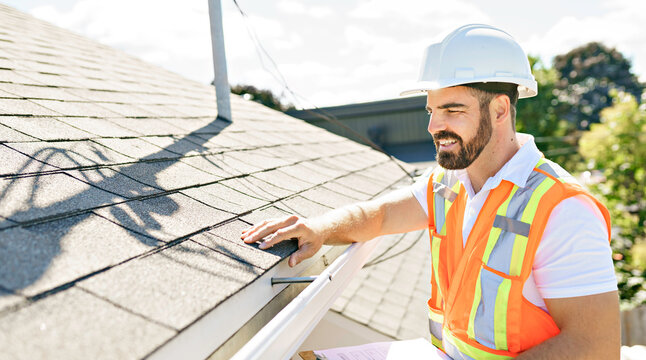
Roof inspections identify small issues before they become expensive repairs.
Professional inspectors evaluate:
- Shingles
- Flashing
- Roof penetrations
- Ventilation
- Moisture intrusion
- Structural movement
- Roof decking
- Drainage systems
Early detection helps homeowners avoid water damage and premature roof failure.
Inspections also provide valuable documentation after severe weather events.
When Should You Schedule a Roof Inspection?
Routine inspections are recommended throughout the roof’s lifespan.
Ideal times include:
- Once every year
- After severe storms
- Before purchasing a property
- Before selling a home
- Following hail damage
- After falling tree branches
You should also schedule an inspection if you notice:
- Water stains on ceilings
- Missing shingles
- Roof sagging
- Granules collecting in gutters
- Unexpected increases in energy bills
Routine inspections often reduce long-term maintenance costs.
Roof Repair: When Is It Necessary?
Roof repair restores damaged roofing components without replacing the entire roofing system.
Common repairs include:
- Leak repair
- Missing shingles
- Flashing replacement
- Damaged vents
- Nail pops
- Minor structural repairs
- Storm damage restoration
Prompt repairs prevent moisture from spreading into insulation, drywall, and framing.
Small repairs today often prevent major reconstruction later.
Roof Repair vs Roof Replacement
Many homeowners wonder whether repair or replacement is the better option.
The answer depends on the roof’s overall condition.
| Situation | Repair | Replacement |
| Minor leak | ✔ | |
| Missing shingles | ✔ | |
| Localized storm damage | ✔ | |
| Widespread deterioration | ✔ | |
| Multiple recurring leaks | ✔ | |
| Aging roofing system | ✔ |
Repairs are generally appropriate when damage is isolated.
Replacement becomes more practical when deterioration affects large portions of the roof.
What Causes Roof Damage?
Several factors contribute to roofing problems.
Common causes include:
- Aging materials
- High winds
- Hail
- Heavy rain
- Poor installation
- Inadequate ventilation
- Falling branches
- Ice dams
- Clogged gutters
Many of these issues can be minimized through regular inspections and maintenance.
How Can Roof Maintenance Extend Roof Life?
Preventive maintenance protects roofing materials from premature deterioration.
Best practices include:
- Remove leaves regularly.
- Clean gutters.
- Trim overhanging branches.
- Check flashing annually.
- Inspect attic ventilation.
- Replace damaged shingles promptly.
- Remove moss growth safely.
- Schedule annual professional inspections.
Consistent maintenance helps maximize the roof’s expected lifespan.
How Do You Choose the Right Roofing Contractor?
Selecting the right contractor is just as important as choosing quality materials.
Consider the following:
- Proper licensing
- Insurance coverage
- Industry experience
- Customer reviews
- Written estimates
- Warranty options
- Local reputation
- Clear communication
Avoid hiring solely based on the lowest price.
Quality workmanship usually provides greater long-term value.
What Factors Affect Roofing Costs?
Roofing costs vary based on several project characteristics.
Major pricing factors include:
- Roof size
- Material selection
- Roof pitch
- Accessibility
- Labor rates
- Existing roof removal
- Structural repairs
- Local permit requirements
Obtaining multiple estimates helps homeowners compare value rather than price alone.
What Are the Signs You Need Roofing Services?
Many roofing problems begin with subtle warning signs.
Watch for:
- Ceiling stains
- Mold growth
- Missing shingles
- Curling shingles
- Sagging rooflines
- Granules in gutters
- Drafts in the attic
- Visible daylight through the roof deck
Addressing these symptoms early usually prevents larger structural problems.
Common Roofing Mistakes to Avoid
Property owners sometimes unknowingly shorten their roof’s lifespan.
Avoid these common mistakes:
- Ignoring small leaks
- Delaying inspections
- Hiring unqualified contractors
- Walking on the roof unnecessarily
- Blocking attic ventilation
- Skipping regular maintenance
- Using incompatible roofing materials
Preventive care almost always costs less than major repairs.
Roofing Services Comparison
| Service | Primary Purpose | Best Time |
| Roofing Services | Overall roof care | Throughout roof lifespan |
| Roof Installation | Build a new roofing system | New construction or major renovations |
| Roof Inspection | Identify hidden issues | Annually and after storms |
| Roof Repair | Restore damaged areas | As soon as damage appears |
Understanding the purpose of each service helps homeowners make informed maintenance decisions.
Frequently Asked Questions
How often should a roof be inspected?
Most roofing professionals recommend a professional inspection at least once every year and after severe weather events.
How long does a typical roof last?
Lifespan depends on material quality, installation, climate, and maintenance. Different roofing systems have different expected service lives.
Can a small roof leak become a major problem?
Yes. Even a small leak can damage insulation, drywall, framing, and interior finishes if left untreated.
Is roof repair always cheaper than replacement?
Not necessarily. Multiple recurring repairs on an aging roof may eventually cost more than replacing the roofing system.
What should homeowners do after a severe storm?
Inspect the property from the ground, look for visible damage, and schedule a professional roof inspection if problems are suspected.
Why is roof ventilation important?
Proper ventilation reduces moisture buildup, improves energy efficiency, and helps roofing materials last longer.
Conclusion
Roofing protects every part of a building, making it one of the most valuable long-term investments for homeowners and businesses alike. Professional roofing services, timely roof installation, routine roof inspections, and prompt roof repairs all work together to extend roof lifespan, improve energy efficiency, and prevent costly structural damage. By understanding how these services fit into a roof’s lifecycle and by following a proactive maintenance plan, property owners can make informed decisions that protect both their investment and their peace of mind.
Ready to Protect What Matters Most?
Your roof is your home’s first line of defense—don’t wait until a small issue becomes a costly repair. Whether you need a detailed inspection, expert repairs, or a complete roofing solution, Roof Shield CA delivers dependable craftsmanship, honest recommendations, and lasting results. Schedule your free estimate today and discover why homeowners trust Roof Shield CA to protect their investment for years to come.