A weathered shingle roof can make a Fresno home feel like it is one storm away from an expensive crisis. But fading granules, dull color, and dry-looking shingles do not automatically mean replacement is the only answer. This roof treatment savings case study follows a representative local homeowner who needed a practical way to protect an aging roof without taking on the cost and disruption of a full reroof.
The key word is recoverable. Roof treatment is designed for asphalt shingle roofs that are showing age but still have sound underlying structure. When the roof deck, flashing, and shingles are still in serviceable condition, restoration can be a smarter financial move than replacing everything early.
The homeowner’s problem: an aging roof and a big estimate
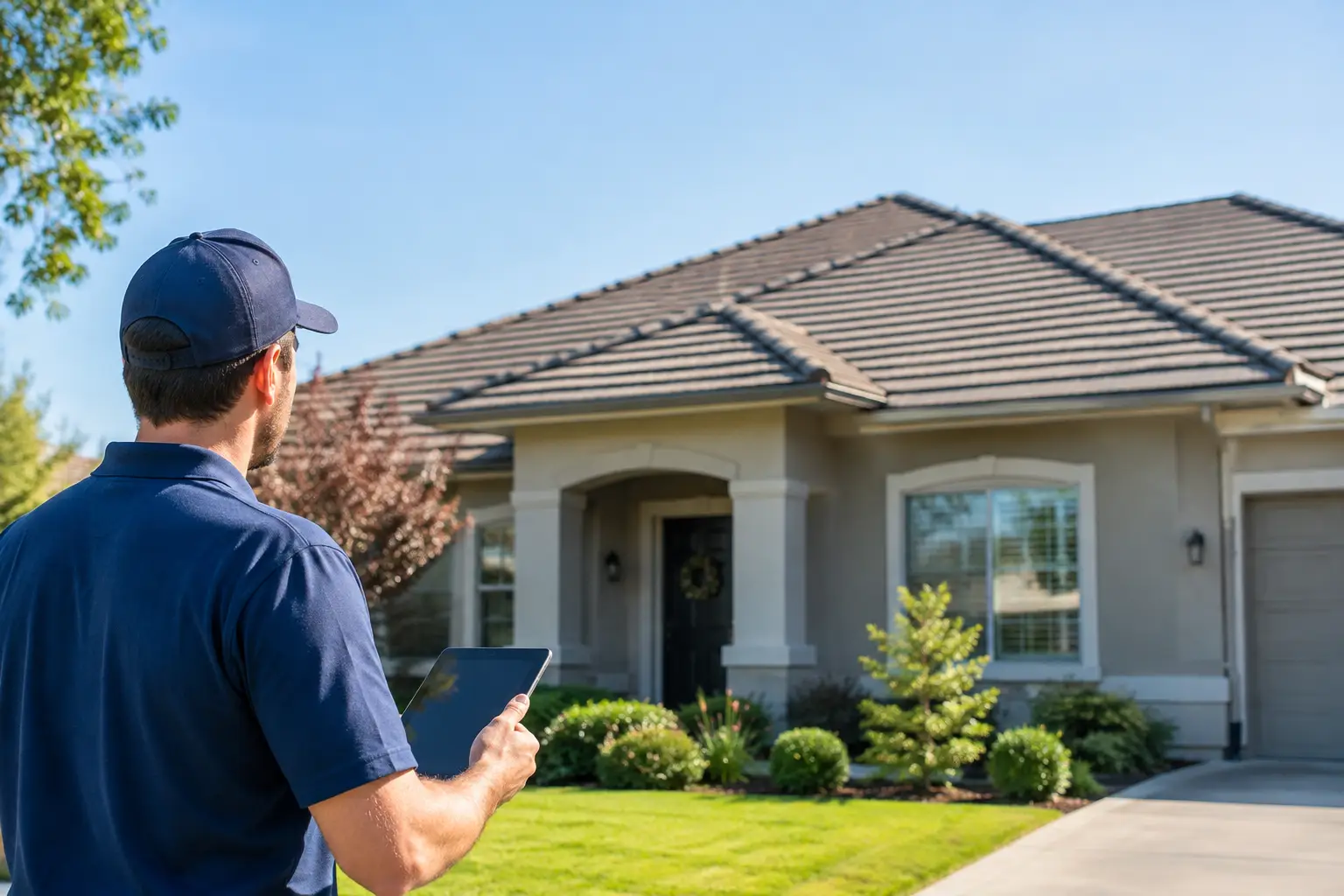
Picture a single-family home in the Greater Fresno Area with an asphalt shingle roof approaching the later part of its expected service life. The shingles had lost much of their original color, looked dry at the edges, and left the homeowner concerned about water resistance during seasonal rain. From the street, the roof also made an otherwise well-kept home look tired.
The homeowner’s first instinct was to request replacement estimates. The quotes were not surprising for the current market, but they were still hard to absorb: roughly $22,000 to $30,000 depending on shingle selection, roof complexity, disposal, and related repairs. A reroof would solve the appearance issue, but it would also mean a major project, material waste, noise, and a significant draw on savings or financing.
That is the point where many homeowners feel stuck. They do not want to ignore a roof that looks worn, yet they do not want to replace a roof that may still have useful life left.
Roof treatment savings case study: comparing the options
After an inspection confirmed that the roof did not have widespread active leaks, major shingle loss, or structural damage, roof rejuvenation became a reasonable option to consider. The treatment process cleans the roof and applies a specialized restorative product intended to help aging shingles regain flexibility, improve water resistance, and look more uniform.
For this representative home, the roof treatment cost was approximately $5,500. Compared with a $25,000 midpoint replacement estimate, that created an immediate potential savings of about $19,500.
That is a savings of 78% before considering the other costs a replacement project can create. Homeowners sometimes need to budget for damaged decking discovered after tear-off, upgrades to ventilation, gutter adjustments, landscaping protection, or time away from home during installation. Those expenses are not guaranteed, but they are common reasons a reroof can cost more than the first quote.
A treatment is not a substitute for replacement on every roof. If shingles are severely curled, missing across large areas, actively leaking, or the roof has structural concerns, a full reroof may be the responsible recommendation. The savings only make sense when the roof has enough remaining condition to benefit from restoration.
What the homeowner received for the lower cost
The value was not just a lower invoice. The homeowner wanted a roof that looked cared for, had improved protection against continued aging, and did not require turning the property into a construction site.
Following cleaning and treatment, the roof had a more consistent appearance and the shingles no longer looked as dry and brittle from the ground. The work was completed with far less disruption than a tear-off and replacement project. There were no piles of old shingles to haul away and no days of heavy roofing noise over the home.
For a homeowner planning to stay in the house, that lower-disruption approach can be especially appealing. It supports a preventive maintenance mindset: address deterioration while the roof is still salvageable instead of waiting until water intrusion forces a more expensive decision.
For a homeowner thinking about selling in the next few years, curb appeal can matter just as much. A roof that looks neglected can raise questions before a buyer even steps inside. A restored-looking roof helps the exterior feel more maintained, without committing tens of thousands of dollars to a replacement that may not be necessary yet.
The real financial benefit: buying time wisely
The largest benefit in this case study is not simply the difference between $5,500 and $25,000. It is the ability to keep $19,500 available for other priorities while extending the serviceable life of a roof that still has value.
That money could stay in an emergency fund, go toward HVAC replacement, kitchen updates, college expenses, or a future reroof when the roof truly reaches the end of its life. For many families, avoiding an early replacement is a meaningful financial relief.
There is also a timing advantage. A treatment can give homeowners breathing room to plan rather than react. Instead of accepting the first available reroof quote because a roof has become urgent, they can monitor their roof, maintain gutters and drainage, and save for the eventual replacement on their own schedule.
Of course, the lifespan extension depends on the roof’s current condition, local weather exposure, ventilation, and ongoing maintenance. No honest contractor should promise that every roof will perform the same way. A free inspection is valuable because it separates roofs that are good candidates for treatment from roofs that need repair or replacement now.
Why inspection matters more than appearance alone
A roof can look old and still be structurally serviceable. It can also look acceptable from the driveway while hiding problems around vents, valleys, flashing, or underlayment. That is why a quick visual guess should not drive a major financial decision.
A proper assessment looks for whether shingles remain intact, whether granule loss is moderate or severe, whether there are signs of active leaks, and whether the roof’s underlying components are in sound condition. It also considers areas that take more sun exposure, which is especially relevant in the Central Valley.
Homeowners should be cautious of anyone who recommends a treatment without evaluating the roof first. The right solution is not automatically the least expensive option. It is the option that protects the home without paying for work the roof does not yet need.
When roof treatment may not be the best choice
Roof rejuvenation works best as a middle-ground solution, not a cure-all. A homeowner should expect a recommendation for replacement or repair when there is extensive storm damage, widespread missing shingles, significant curling, repeated leaking, soft spots, damaged decking, or a roof already beyond recoverable condition.
It may also be less practical if a homeowner is already planning a major remodel that requires roof alterations. In that case, completing the larger project together can be more efficient.
Still, plenty of aging asphalt shingle roofs fall into the space between “perfect” and “replace immediately.” Those are the roofs where treatment can offer the strongest return. The homeowner gets a renewed appearance and added protection at a fraction of replacement cost, while keeping future options open.
A lower-stress path for Fresno-area homeowners
The lesson from this roof treatment savings case study is simple: do not assume an old-looking roof needs to be torn off. A roof with recoverable shingles may be able to deliver more useful life with the right restoration approach, saving 70% to 80% compared with a full replacement in many situations.
For homeowners in Fresno, Clovis, Madera, Sanger, and nearby communities, the smartest next step is an honest roof assessment. Roof Shield can help determine whether your aging asphalt shingle roof is a candidate for treatment or whether replacement is truly the better investment.
A clear inspection and straightforward quote can replace guesswork with a plan – and that peace of mind is worth having before the next season puts your roof to the test.