A roof can look worn out long before it has reached the end of its usable life. The top causes of asphalt shingle aging are often working together above your head: relentless sun, dry heat, wind, moisture, and years of normal exposure. For homeowners in the Greater Fresno Area, understanding what is aging your shingles can make the difference between acting early and facing an expensive replacement bill later.
Aging shingles do not always mean you need a new roof immediately. If the roof structure is sound and the shingles still have recoverable life, rejuvenation may be a practical way to restore flexibility, improve water resistance, and refresh curb appeal for far less than a reroof.
The Top Causes of Asphalt Shingle Aging
Intense sun and Central Valley heat
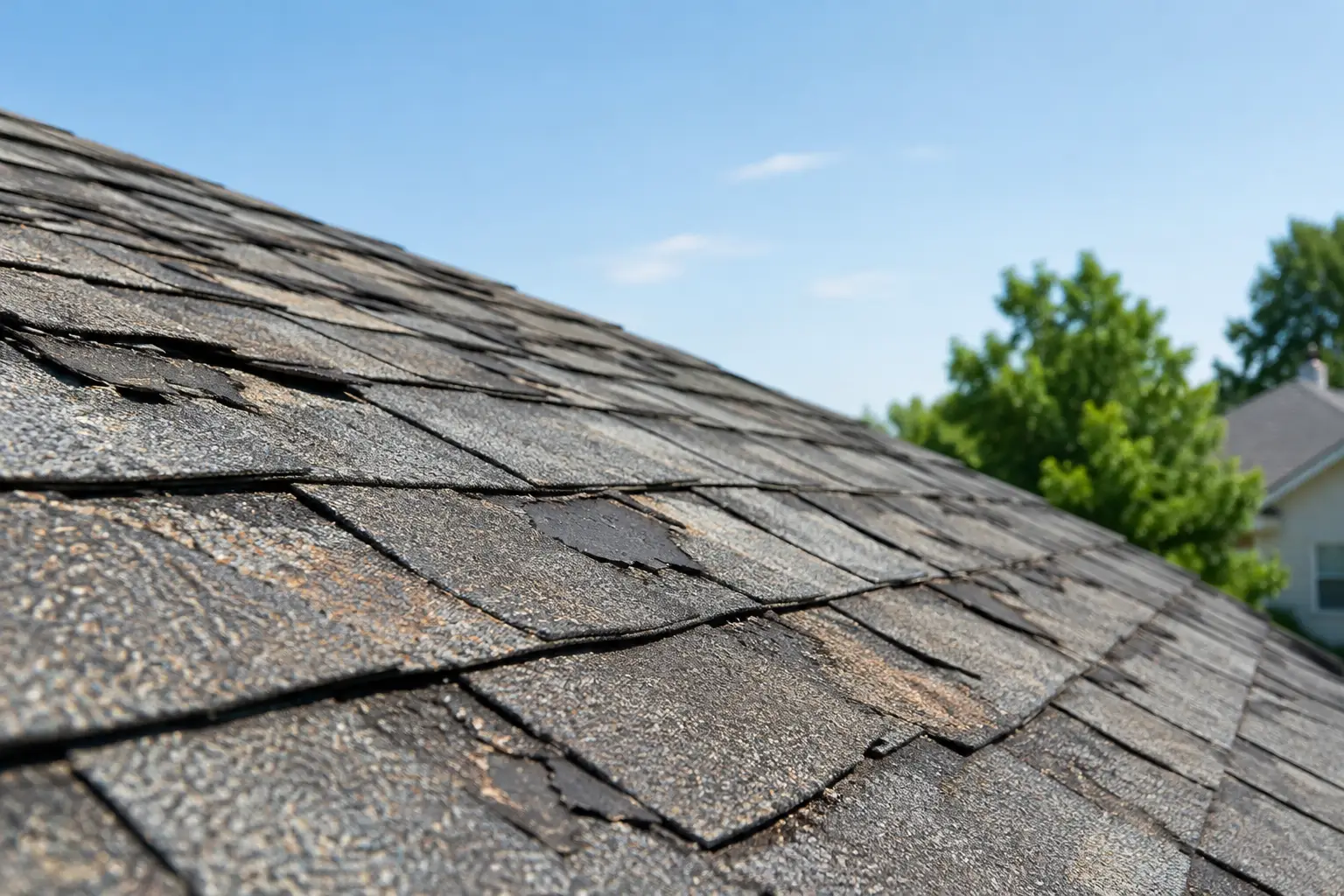
Fresno-area roofs take a beating from long, hot summers. Asphalt shingles are made with oils and protective granules that help them stay flexible and shed water. Over time, ultraviolet rays and extreme heat can dry out those oils, leaving shingles brittle, curled, or prone to cracking.
This process is not always obvious from the driveway. A roof may still look mostly intact while the shingles have become less flexible than they once were. That matters because brittle shingles are more likely to crack when temperatures swing, when winds rise, or when someone walks on the roof for maintenance.
Heat also accelerates the normal aging process. A roof with years of direct afternoon sun may age differently than a shaded roof of the same installation date. Shade can bring its own moisture concerns, but in our dry, sunny climate, sun exposure is often one of the biggest factors homeowners see.
Loss of protective granules
The rough, sand-like surface of an asphalt shingle is not just for appearance. Those granules help protect the asphalt layer from sunlight and weather. As shingles age, some granule loss is expected. You may notice loose granules in gutters, near downspouts, or at the bottom of roof valleys.
A small amount of granule loss does not automatically mean replacement is needed. Newer shingles can shed a few loose granules after installation, and older roofs may lose them gradually. The concern is widespread thinning, bald spots, or exposed dark asphalt. Once more of that asphalt is exposed, UV damage can speed up.
Granule loss can also make a roof look faded and uneven, which affects curb appeal. For homeowners preparing to sell or simply trying to keep their property looking cared for, that visual change is often the first sign that it is time for a professional roof assessment.
Dry, brittle shingles from age and oxidation
Asphalt shingles are designed to flex. That flexibility helps them adjust to changing temperatures and resist normal wind movement. But years of oxidation, heat, and weather exposure can pull out the oils that keep shingles pliable.
The result is a roof that may look dry, faded, or curled at the edges. In more advanced cases, shingles can crack or break more easily. This is where timing matters. A roof that is aging but still structurally sound may respond well to a rejuvenation treatment. A roof with major missing shingles, active leaks, severe curling, or underlying deck damage needs a different level of repair.
Roof Shield focuses on this middle ground. When shingles are dry and worn but still have recoverable value, a professional treatment can help restore flexibility and protection without the cost, mess, and disruption of a full replacement.
Wind, dust, and physical wear
Wind does more than lift shingles during a major storm. Repeated gusts can stress shingle edges, tabs, flashing areas, and ridge lines over many years. Wind-driven dust and debris can also collect in valleys and gutters, holding moisture against the roof or interfering with drainage.
Tree branches are another common source of damage. Even light, repeated rubbing can scrape away granules. Larger limbs can crack shingles or create openings where water can work underneath. Keeping branches trimmed back is a simple maintenance step that protects both the roof surface and the home during high winds.
Foot traffic deserves attention too. Roofs are not designed to be walked on casually, especially when shingles are older and brittle. Satellite work, holiday-light installation, and DIY inspections can cause damage if they are not handled carefully. If you are concerned about your roof, a professional inspection is safer than climbing up to check it yourself.
Moisture, poor drainage, and trapped debris
Even in a dry climate, moisture can age an asphalt roof faster than expected. Clogged gutters, debris-filled valleys, and areas beneath overhanging trees can keep water on the roof longer after rain. That extra moisture may contribute to staining, algae or moss growth in shadier areas, and deterioration around vulnerable roof details.
Water does not need to pour through the ceiling to be a concern. Slow drainage can affect shingle edges, roof penetrations, flashing, and underlayment over time. Pay attention to gutters that overflow, dark streaks, recurring debris piles, or water that seems to linger in one part of the roof.
The right solution depends on the cause. Sometimes a thorough cleaning and better drainage habits are enough. Other times, minor repairs should happen before any rejuvenation treatment. A good assessment should identify those distinctions instead of treating every aging roof the same way.
Installation quality and ventilation issues
Not all roof aging comes from the weather. Poor installation details can shorten the life of even quality shingles. Improper nailing, weak flashing, inadequate underlayment, or poor attic ventilation can all create premature wear.
Ventilation is especially easy to overlook. When attic heat and moisture are not managed properly, the roof system can run hotter than it should. That may contribute to shingle aging from below while the sun is aging them from above. A roof rejuvenation service can help address dry, aging shingles, but it cannot correct structural installation defects or severe ventilation problems by itself.
That is why an honest roof evaluation matters. The best choice is not always replacement, and it is not always treatment. It depends on whether the roof has remaining structural life and whether the underlying issues are manageable.
Signs Your Aging Roof May Still Be Recoverable
Homeowners often wait for a leak because they assume that is the only clear sign of roof trouble. By then, the repair may be more involved. It is smarter to pay attention when shingles start looking faded, dry, slightly curled, or uneven, particularly if the roof is approaching the later part of its expected service life.
A recoverable roof generally has shingles that are still in place, a sound roof deck, and no widespread failure. It may show surface aging, granule loss, and reduced flexibility, but it is not collapsing under major leaks or extensive storm damage. A professional inspection can separate cosmetic aging from conditions that require repair or replacement.
For many homeowners, that distinction brings real relief. Replacing a roof can cost $18,000 to $35,000 or more, depending on the home and materials. When a qualified roof can be rejuvenated instead, it may be possible to extend its useful life while saving 70-80% compared with a full reroofing project.
How to Slow Asphalt Shingle Aging
You cannot stop the sun, but you can avoid making roof wear worse. Keep gutters and valleys clear so water moves off the roof. Trim branches that touch or hang directly over shingles. Address loose flashing, damaged shingles, and drainage issues before they become larger problems.
Just as important, do not assume a weathered appearance means a roof is beyond help. Waiting until a small problem turns into interior damage can limit your options. An early assessment gives you time to compare practical solutions, protect your home, and plan around your budget instead of making a rushed decision after a leak.
Is Roof Rejuvenation Right for Your Roof?
Roof rejuvenation is not a shortcut for a roof that has failed. It is a preservation option for aging asphalt shingles that still have sound structural value. The treatment is designed to clean, restore, and protect worn shingles, helping improve their appearance, flexibility, and water resistance.
For the right roof, it is a lower-disruption alternative to replacement. There is no need to tear off materials, fill the driveway with debris, or take on the full cost of a reroof before it is truly necessary. The key is getting a straightforward assessment from a company that will tell you whether your roof is a fit.
If your shingles are showing their age, do not let uncertainty push you into either extreme: ignoring the problem or replacing the entire roof too soon. A free roof assessment can give you a clearer picture of what your roof needs and whether rejuvenation can help protect the home you have worked hard to maintain.