A roof rarely fails all at once. More often, it loses granules, dries out under Central Valley sun, develops small leaks, and starts looking older long before it is truly beyond help. The best roof maintenance investments address that gradual wear early, when homeowners still have choices beyond a costly full replacement.
For homeowners with aging asphalt shingles, the goal is not to spend money on every available service. It is to put money toward the work that protects the roof’s remaining life, prevents water intrusion, and keeps a manageable issue from becoming an emergency. Here are the investments that tend to deliver the most practical value.
1. A Professional Roof Assessment
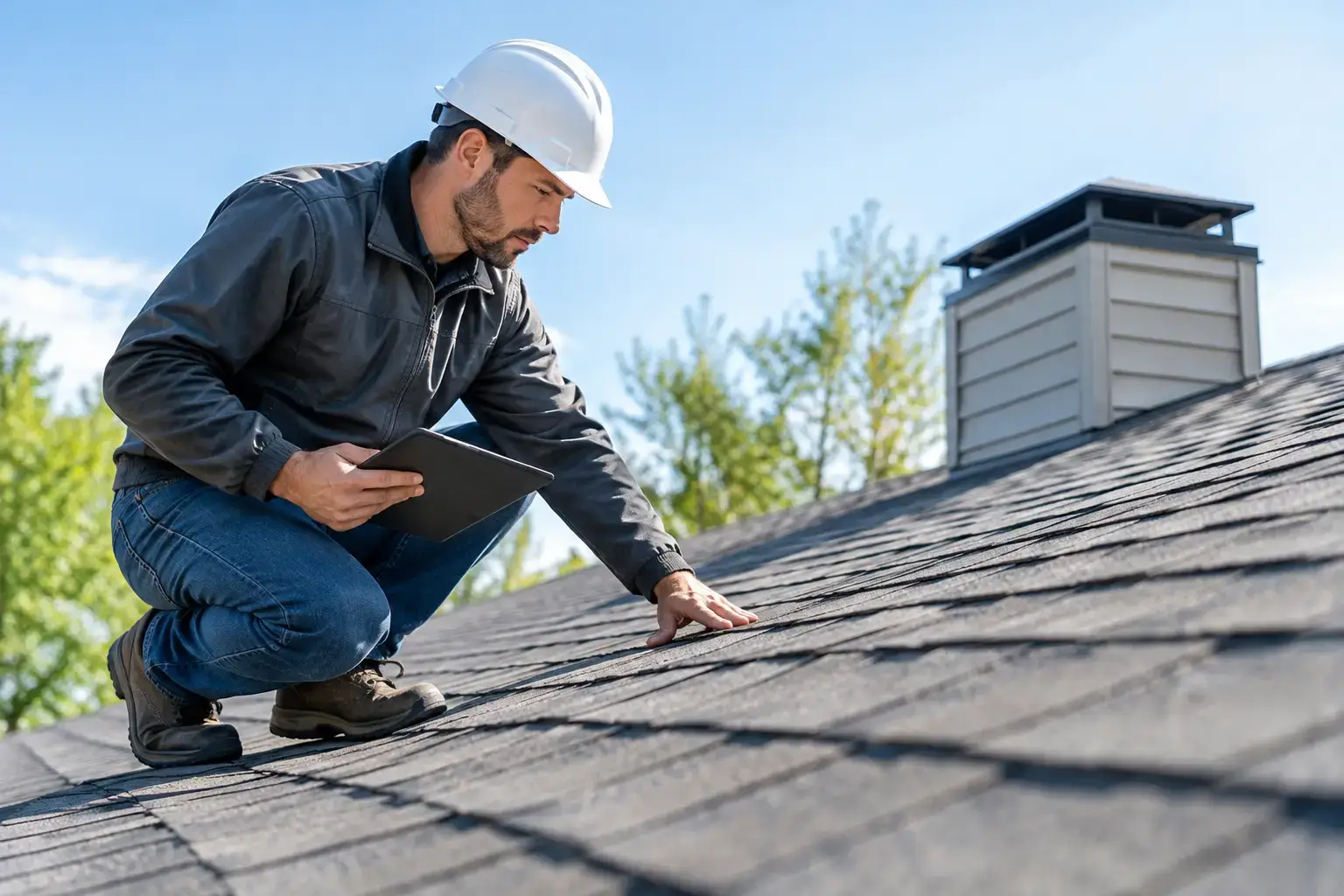
A qualified assessment is often the smartest first investment because it tells you whether your roof needs maintenance, targeted repair, rejuvenation, or replacement. From the ground, a roof can look worn out while its underlying structure remains sound. The reverse is also true: a roof that appears fine may have damaged flashing, lifted shingles, or soft areas that need prompt attention.
A thorough assessment should look beyond appearance. It should consider shingle condition, granule loss, exposed nail heads, flashing around vents and chimneys, roof penetrations, drainage, and signs of previous or active leaks.
This step can prevent two expensive mistakes: replacing a roof that still has recoverable life or delaying action on a problem that is already letting water into the home. If your roof is aging but has not reached the end of its structural life, a maintenance-focused solution can be a far better use of your budget.
2. Repairing Small Leaks and Flashing Problems Early
Small roof repairs are rarely exciting, but they are among the highest-return maintenance decisions a homeowner can make. A loose shingle, cracked pipe boot, damaged vent seal, or separated piece of flashing may look minor. Left alone, it can allow moisture into roof decking, insulation, ceilings, and walls.
The cost of correcting a small issue is usually modest compared with repairing water damage inside the house. That is why acting early matters. Watch for water spots on ceilings, damp attic insulation, missing shingle tabs, peeling paint near rooflines, or debris accumulating beneath downspouts.
It depends on the condition of the surrounding roof, of course. Repairing one isolated trouble spot makes sense when the rest of the roof is in good shape. If shingles across the entire roof have become dry, brittle, and weathered, a broader preservation approach may offer more value than repeated spot repairs.
3. Gutter Cleaning and Drainage Improvements
Gutters may not seem like part of the roof, but they protect the roof edge, fascia, foundation, and siding. When gutters clog, rainwater can back up beneath shingles or spill over areas not designed to handle constant water exposure. Even in the Fresno area, where long dry periods can make roof maintenance easy to postpone, heavy seasonal rain can reveal drainage issues quickly.
Cleaning gutters and downspouts before the wet season helps water move away from the home as intended. While you are at it, check that downspouts discharge away from the foundation and that gutter sections are securely fastened.
If your property has mature trees, gutter cleaning may be needed more than once a year. For homes with limited debris exposure, an annual inspection and cleaning may be enough. The right schedule depends on your surroundings, but ignoring drainage is never a money-saving move.
4. Roof Rejuvenation for Recoverable Asphalt Shingles
When asphalt shingles are faded, dry, and losing flexibility but are not yet at the point of failure, roof rejuvenation can be one of the best roof maintenance investments available. Instead of immediately taking on a full reroofing project, homeowners may be able to clean, restore, and protect shingles that still have usable life.
The value is straightforward: rejuvenation is designed to improve shingle flexibility, water resistance, and appearance while helping slow the effects of age and sun exposure. For the right roof, it can provide meaningful protection at a fraction of the cost of replacement. That can be especially welcome when a new roof may cost $18,000 to $35,000 or more.
This option is not a cure for every roof. It is not intended for roofs with major structural damage, widespread leaks, severely deteriorated decking, or shingles that are already beyond recovery. A professional inspection is what separates a smart preservation decision from throwing money at a roof that needs replacement.
Roof Shield helps Greater Fresno Area homeowners understand whether their asphalt shingle roof is a candidate for this practical middle-ground option. A simple roof assessment can bring clarity before you commit to a much larger project.
5. Attic Ventilation and Insulation Corrections
A roof works harder when the attic below it traps excessive heat and moisture. Poor ventilation can contribute to higher attic temperatures, stressed shingles, moisture buildup, and uncomfortable rooms below. During hot Central Valley summers, that added heat can be especially hard on an aging asphalt shingle roof.
Ventilation is not a one-size-fits-all upgrade. The right approach depends on the home’s roof design, existing intake and exhaust vents, insulation levels, and local conditions. But if an inspection finds inadequate airflow or signs of moisture, correcting the issue can help protect both the roof and the home’s energy performance.
This investment is most valuable when it solves a documented problem. Adding vents without understanding how air is moving through the attic can create poor results. Have the system evaluated as a whole rather than treating ventilation as a quick add-on.
6. Tree Trimming Near the Roofline
Branches that scrape across shingles can wear away protective granules and create repeated damage during wind. Overhanging limbs also drop leaves, twigs, and shade-producing debris that can hold moisture around the roof surface. In a storm, a weak or heavy branch can turn into a much larger repair bill.
Strategic trimming protects the roof while preserving the benefits of your landscaping. The goal is not to remove every nearby tree. It is to keep limbs from rubbing against the roof and reduce the risk of branches falling onto it.
Consider this preventive work before the rainy season or after periods of strong growth. It is generally less expensive and far less disruptive than responding after a limb has punctured shingles or damaged gutters.
7. Regular Maintenance Instead of Emergency Spending
The most valuable investment may be a habit: inspecting and maintaining the roof before there is an obvious crisis. Homeowners often wait until a leak appears indoors, but by that point, water may have already traveled through several layers of the roofing system.
A practical maintenance plan includes a visual check from the ground after major weather events, seasonal gutter attention, prompt repair of visible trouble spots, and a professional assessment when shingles begin to look worn. You do not need to climb onto the roof to be proactive. In fact, walking on older shingles can cause damage and create a safety risk.
The payoff is more control. Instead of being forced into an urgent replacement decision, you can evaluate the roof’s actual condition, compare options, and choose a solution that fits your home and budget.
What Makes a Roof Investment Worth It?
The right roof investment protects more than shingles. It helps preserve your home’s interior, supports curb appeal, reduces surprise expenses, and gives you more time to plan for the future. The best choice depends on whether your roof has isolated damage, widespread surface aging, drainage trouble, or signs that it has reached the end of its life.
If your asphalt shingle roof is showing its age, do not assume replacement is your only path forward. Schedule a professional inspection, ask direct questions about the roof’s remaining condition, and get a clear recommendation based on what your home actually needs. A timely assessment can be the first step toward protecting your roof, your budget, and your peace of mind.