A roof that looks dry, faded, or worn does not automatically need to be torn off. This guide to roof treatment estimates helps Greater Fresno homeowners understand what they are paying for, what makes a roof eligible, and why a professional assessment matters before committing to a costly replacement.
For many homes, the difference between an $18,000 to $35,000 reroof and a more affordable treatment comes down to one question: Are the shingles still structurally recoverable? If they are, rejuvenation may restore flexibility, improve water resistance, and bring back a healthier appearance without the disruption of a full replacement.
What a Roof Treatment Estimate Should Tell You
A useful estimate is more than a single number. It should give you a clear picture of your roof’s current condition, the work included, and whether treatment is a sensible investment for your home.
The first part is eligibility. Roof treatment is designed for aging asphalt shingles that are showing normal wear but still have usable life left. Sun exposure, Central Valley heat, fading, minor granule loss, and shingles that have become dry or brittle can all point to a roof that may benefit from treatment. A roof with widespread missing shingles, active leaks caused by major damage, soft decking, or serious structural issues may need repairs or replacement instead.
A trustworthy estimate should also explain the service scope. In most cases, that includes cleaning the roof surface as needed, preparing the shingles, applying the treatment evenly, and inspecting visible areas for conditions that could affect results. If a contractor cannot explain what is included, ask before comparing prices.
What Affects Roof Treatment Pricing?
No two roofs are exactly alike, which is why a legitimate roof treatment estimate is based on an inspection rather than a quick guess. Square footage matters, but it is only one part of the equation.
Roof size and design have an obvious effect. A larger roof requires more material and labor, while a roof with multiple levels, steep pitches, valleys, dormers, skylights, or difficult access can take more time to service safely. A simple single-story roof is generally easier to treat than a complex, steeply pitched design.
The roof’s present condition matters just as much. Light weathering and surface dryness are different from roofs with heavy moss, debris buildup, damaged flashing, loose shingles, or areas requiring repair before treatment. Treatment can help preserve recoverable shingles, but it is not a shortcut around necessary repairs.
Preparation needs can also affect the final estimate. A roof that needs thorough cleaning or has accumulated leaves, dirt, and organic growth may require additional work before treatment can be applied properly. Good preparation is not an optional extra. It helps the treatment reach the shingle surface and perform as intended.
Finally, access and safety requirements can influence cost. Contractors may need special equipment or additional crew time for unusually steep roofs, restricted access, or properties with landscaping and features that require extra protection.
Treatment Estimate vs. Roof Replacement Estimate
A replacement estimate typically includes removing old shingles, disposing of debris, addressing underlayment and flashing, installing new materials, and managing a much larger construction project. That is why reroofing can carry such a significant price tag.
A roof treatment estimate is different because the goal is preservation. Instead of stripping away a roof that may still have functional value, the service focuses on restoring aging shingles and helping them perform better for longer. For a qualifying roof, this can save homeowners 70% to 80% compared with full replacement.
That does not mean treatment is always the right answer. If the roof has reached the end of its serviceable life, has hidden structural concerns, or is suffering from widespread failure, replacement may be the responsible choice. The value of an honest inspection is knowing which path fits your roof before spending money.
Questions to Ask Before Accepting an Estimate
A clear conversation can prevent expensive misunderstandings later. Before you choose a provider, ask whether your roof qualifies for treatment and what visible conditions led to that conclusion. You should also ask what preparation is included, whether minor repairs are separate, and what result you can realistically expect from the service.
It is also reasonable to ask how the product is evaluated and whether the company has a process for protecting landscaping, siding, gutters, and surrounding areas during application. Homeowners should feel comfortable with both the treatment itself and the crew performing the work.
Be cautious with estimates that promise to solve every roof problem at an unusually low price. A quality treatment can make a meaningful difference for the right asphalt shingle roof, but no reputable contractor should claim it can repair rotten decking, erase storm damage, or replace a roof that has already failed.
How to Prepare for a Roof Assessment
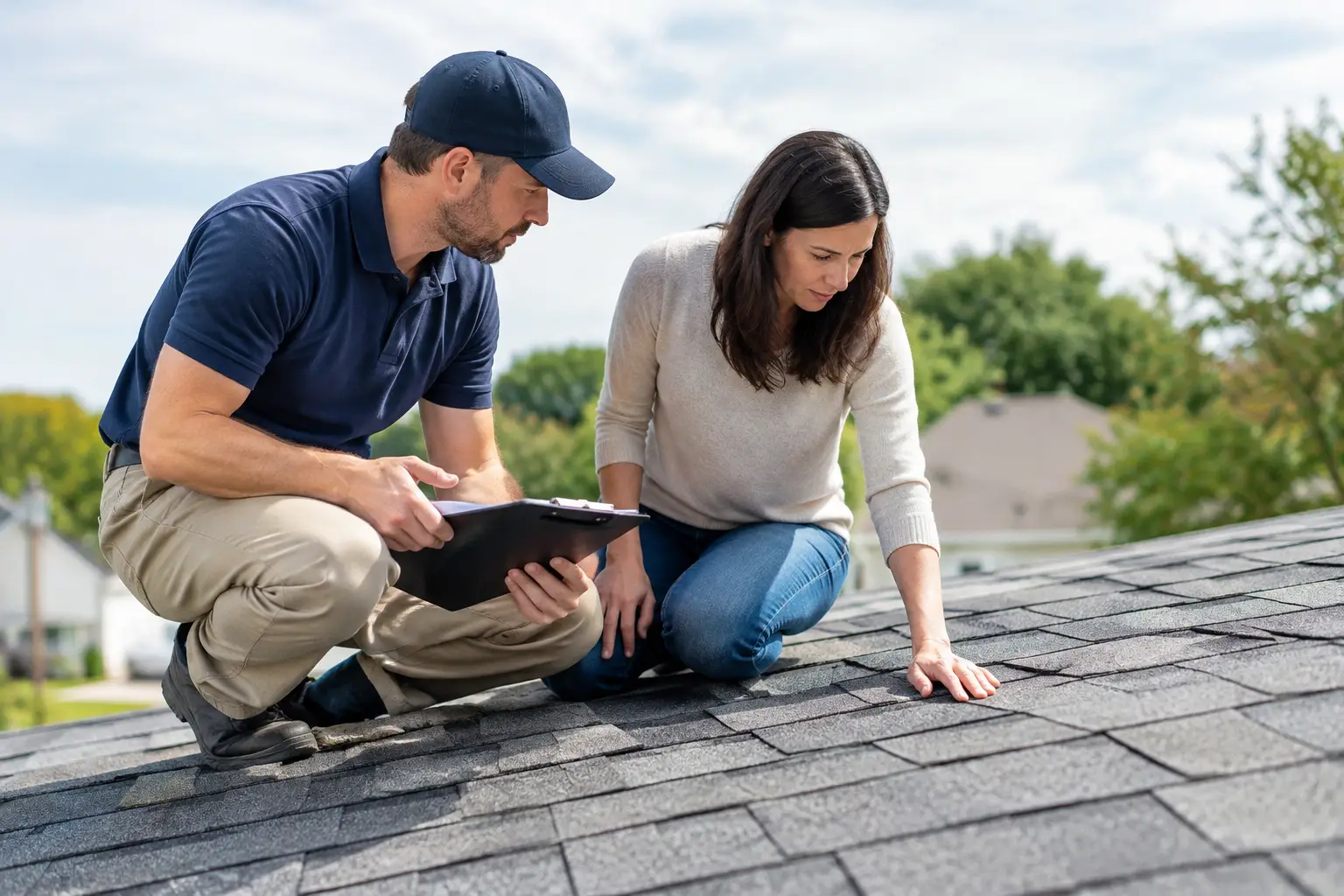
You do not need to climb onto the roof or become a roofing expert before an inspection. In fact, staying safely on the ground is the better choice. You can make the appointment more productive by noting what you have noticed from the ground or attic.
Mention any recent leaks, water stains on ceilings, missing shingles, loose material found in the yard, or sections that appear darker or more worn than the rest. If you have records from previous roof repairs or know approximately when the roof was installed, have that information available. It can help provide context, even though the roof’s present condition is what matters most.
Clear access to the driveway and side yard may also help the crew complete the assessment efficiently. If you have gates, pets, or parking restrictions, share those details in advance.
Why a Local Inspection Makes a Difference
Fresno-area roofs take a beating from long stretches of heat and intense sun. Over time, asphalt shingles can lose the oils that help them remain flexible and resilient. That kind of aging is exactly why a visual inspection and a roof-specific estimate matter more than a one-size-fits-all online price.
A local professional can look at the roof’s exposure, slope, wear patterns, and overall condition, then explain whether treatment is likely to provide a worthwhile return. The best outcome is not simply the lowest initial number. It is choosing the option that protects your home, supports curb appeal, and avoids paying for replacement before it is truly necessary.
Roof Shield approaches estimates with that practical goal in mind: help homeowners understand whether their roof can be renewed before they take on the cost and disruption of a full reroof.
Get Clarity Before Your Roof Becomes an Emergency
Visible wear can create understandable anxiety, especially when you are worried about leaks, insurance questions, or the appearance of your home. But a weathered roof is not always a failed roof. A professional assessment can separate normal aging from real replacement-level concerns.
Request a free roof assessment if your shingles look dry, faded, or tired but the roof has not developed major structural problems. You may find that protecting the roof you already have is the more sensible next step – and a welcome relief for your budget.